
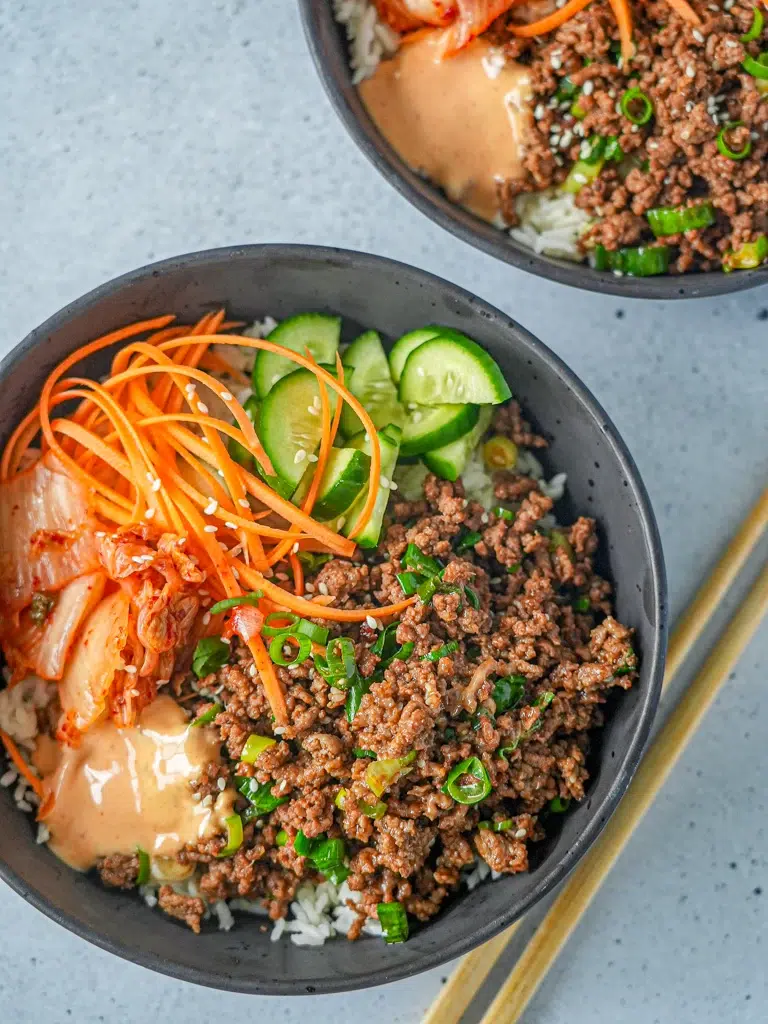
Are you seeking a quick and tantalizing meal that packs a punch of flavor? Look no further than these Korean Beef Rice Bowls! Combining the rich flavors of minced beef with a bold stir-fry sauce and a creamy gochujang mayo drizzle, this dish offers a remarkable culinary experience right in your own kitchen. Ready in just 20 minutes, these rice bowls are the perfect solution for busy weeknights when you crave something delicious without spending hours in the kitchen.
What makes these Korean Beef Rice Bowls truly special is their customizability. You have the freedom to adjust the spice level with gochujang, skip or substitute vegetables, and select a wide range of toppings to suit personal preferences. This flexibility makes it a fantastic choice for families with picky eaters and adventurous palates alike, allowing everyone to enjoy a meal that feels both special and comforting.
Why You’ll Love This Recipe
At the heart of Korean Beef Rice Bowls is a pleasing blend of savory beef with sweet and spicy flavors from the stir-fry sauce. The addition of the creamy mayo drizzle takes this dish to another level by adding depth and richness, while the fresh toppings like kimchi, crunchy cucumber, and carrot provide a delightful contrast in texture and taste. This recipe strikes the perfect balance between comfort food and excitement, making it a surefire hit for dinner.
Ingredients and Substitutions
To bring these delicious Korean Beef Rice Bowls to life, you will need a concise list of ingredients. Here’s what you’ll gather:
- Minced Beef: This is the central component, offering a hearty base that absorbs all the wonderful sauces.
- Gochujang: A vital ingredient for flavor, gochujang is a Korean chili paste that brings heat and depth. Adjust the quantity for your spice tolerance, or use tomato paste for a milder option.
- Soy Sauce: This umami-rich seasoning enhances the savory elements of the dish.
- Brown Sugar: Balances the soy sauce with a hint of sweetness; feel free to adjust according to your preference.
- Fresh Vegetables: Carrots, cucumbers, and spring onions add freshness and crunch, and you can change them based on what’s available or your personal taste.
- Mayo and Sesame Oil: These contribute to the creamy drizzle, enriching the overall flavor of the dish.
How to Make Korean Beef Rice Bowls
The process of creating these delectable Korean Beef Rice Bowls is straightforward:
- Prepare the Sauces: Start by whisking together the garlic, ginger, soy sauce, brown sugar, sesame oil, gochujang, rice vinegar, and sesame seeds in a small bowl. This mixture will be your vibrant stir-fry sauce.
- Cook the Beef: Heat oil in a large frying pan over medium-high heat. Add the minced beef, browning it and breaking it up with a spatula for even cooking.
- Add the Sauce: Once the beef is browned, pour in the stir-fry sauce, stirring well to coat the beef uniformly. Allow it to simmer for a few minutes until the sauce thickens and clings to the beef.
- Make the Mayo Drizzle: In a separate bowl, mix the mayo, additional gochujang, sesame oil, and rice vinegar until smooth and combined.
- Assemble: Divide the cooked jasmine rice among four bowls. Top with the Korean beef mixture alongside generous portions of kimchi, carrot, and cucumber. Drizzle the gochujang mayo over the top and spruce with extra sesame seeds and spring onions.
Expert Tips for Success
- To save time, prepare the beef mixture a day in advance and store it in the refrigerator. Reheat before serving for an effortless meal.
- If you are new to using gochujang, start with a small amount and taste test as you go to find your perfect spice level.
- Feel free to customize the vegetables based on what you have on hand. Bell peppers, shiitake mushrooms, or even fresh spinach can add marvelous flavor and texture.
- Make sure not to overcook the beef; achieving a light brown color retains moisture and enhances flavor.
Variations
This dish is incredibly versatile! Here are a few creative twists you can try:
- Swap the Protein: Instead of beef, consider using ground pork or turkey for a lighter fare.
- Make it Vegetarian: Substitute the beef with crumbled tofu or tempeh, cooking it in the same stir-fry sauce for an equally delicious meal.
- Switch Up the Rice: While jasmine rice is traditionally used, brown rice or even cauliflower rice can offer a healthier alternative.
- Add Extra Toppings: Fried eggs, crushed peanuts, or crispy shallots can elevate the flavor and add exciting textures.
Serving Suggestions
These Korean Beef Rice Bowls stand beautifully on their own as a complete dinner. However, if you wish to expand your meal offerings, consider pairing them with:
- Additional sides of kimchi or pickled vegetables for an authentic Korean feast.
- Steamed dumplings or spring rolls for a fun and filling culinary experience.
Storage, Freezing, and Reheating
Any leftover beef mixture can be stored in an airtight container in the refrigerator for up to three days. It’s best to keep toppings like cucumber and carrot separate to maintain their crispness. When reheating, warm the beef gently on the stovetop or microwave until heated thoroughly. Keep in mind that freezing is not recommended due to the potential texture changes in the beef and sauce after thawing.
Frequently Asked Questions
Can I make Korean Beef Rice Bowls ahead of time?
Yes, you can prepare the beef mixture in advance and store it in the refrigerator for up to three days. Simply reheat before serving and add your fresh toppings for the best flavor.
Is gochujang necessary for this recipe?
While gochujang adds authentic depth and spice, you can adjust the quantity based on personal preference. For a milder flavor, reduce the amount or substitute with tomato paste.
What kind of rice works best with this recipe?
Traditionally, jasmine rice is used due to its fragrant profile. However, brown rice or cauliflower rice can also work well if you’re looking for a healthier option.
Are Korean Beef Rice Bowls kid-friendly?
Yes! The customizable nature of this dish makes it excellent for children. You can modify each bowl to accommodate your child’s tastes, such as reducing spice or leaving out certain toppings like kimchi.
Can I freeze the beef mixture?
It’s best not to freeze the beef mixture due to the sauce’s consistency. Leftovers are best enjoyed fresh or stored in the refrigerator for a few days.
Korean Beef Rice Bowls
Ingredients
- 1 tsp freshly grated garlic
- 1 tsp freshly grated ginger
- 3 tbsp all-purpose soy sauce
- 2 tbsp brown sugar
- 1 tbsp sesame oil
- 1 tbsp gochujang adjust for spice preference (see note 1 for substitutions)
- 1 tsp rice vinegar
- 1 tbsp sesame seeds plus extra to garnish
- 2 tbsp extra-virgin olive oil or neutral oil
- 500 g minced (ground) beef
- 2 spring onions (scallions) finely sliced, 1 tbsp reserved for garnish
- 3 tbsp whole-egg mayonnaise
- 1 tsp gochujang
- ½ tsp sesame oil
- ½ tsp rice vinegar
- 370 g cooked jasmine rice
- 240 g kimchi
- 1 carrot julienned
- 1 Lebanese (short/Persian) cucumber sliced into half moons
Instructions
- Make the stir-fry sauce – In a small bowl, whisk together the garlic, ginger, soy sauce, brown sugar, sesame oil, gochujang, rice vinegar and sesame seeds until combined. Set aside.
- Cook the beef – Heat the oil in a large frying pan over medium–high heat. Add the beef and cook until browned, breaking it up as it cooks.
- Add the sauce – Pour in the stir-fry sauce and stir well to coat the beef. Simmer for 2–3 minutes until the sauce thickens slightly. Turn the heat off and stir through the spring onion.
- Prepare the mayo drizzle – In a small bowl, whisk together the ingredients until smooth. Set aside.
- Assemble and serve – Divide the cooked rice among four bowls. Top with the Korean beef mixture and a generous serving of kimchi, carrot and cucumber. Drizzle the gochujang mayo over the top and garnish with extra sesame seeds and spring onion. Serve immediately!
